

In a suburban Melbourne VCAT hearing, a tenant faces eviction. She knows she has rights under the Residential Tenancies Act, but these rights might as well be written in Sanskrit for all the practical good they do her. She cannot afford a lawyer, and the community legal centres she contacted are stretched beyond capacity with -long waiting lists. The landlord’s representative begins to rattle off tribunal precedents and regulatory provisions, while the member speaks in legal terminology that sounds like a foreign language. Yes, her rights are enshrined in hundreds of pages of legislation and regulations, but in this moment, they feel distant and inaccessible.
This all-too-common scenario exposes the reality of Australian justice: our legal framework has become so impenetrable that the very rights designed to protect people remain locked behind a wall of complexity only expensive professionals can breach.
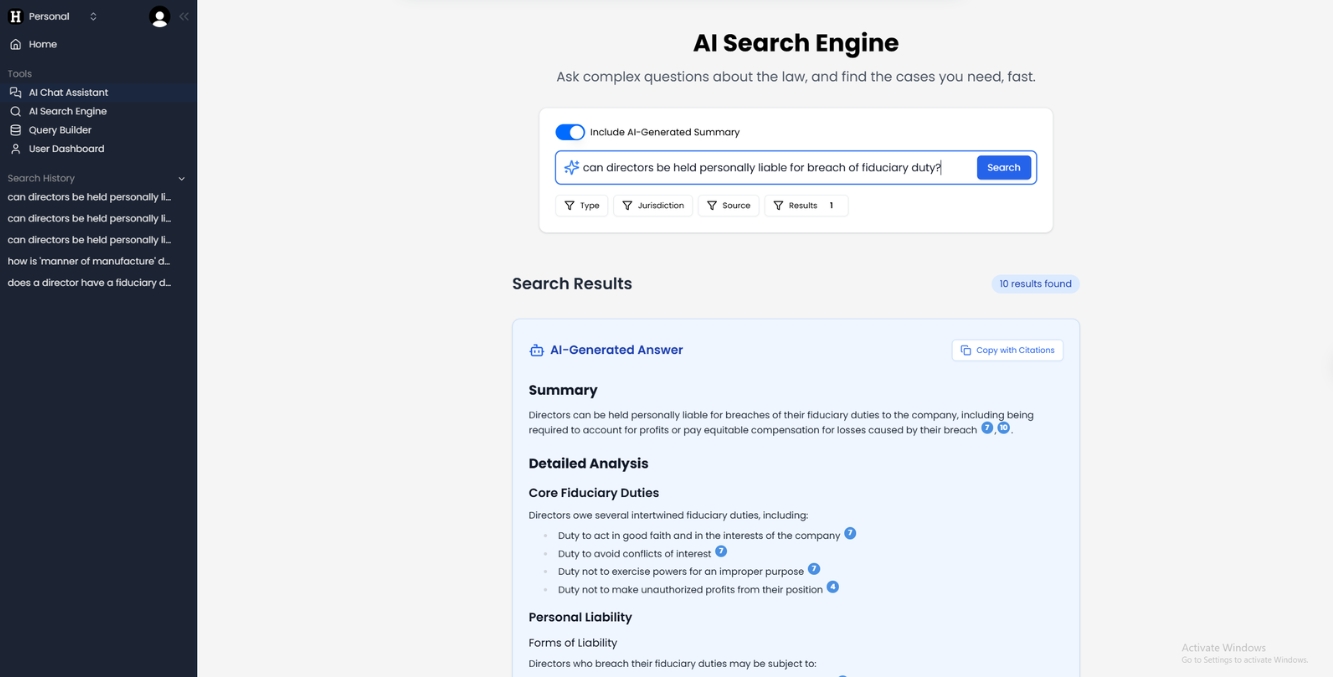
This artificial complexity represents not a necessity but a choice – one that has historically served powerful interests while betraying law’s fundamental promise of equal justice. Yet, we stand at the cusp of an incredible transformation: the emergence of artificial intelligence systems capable of making legal knowledge and understanding highly accessible. This transformation promises to turn law from a professional service into a real public utility.

The Historical Context of Legal Knowledge Transmission:
To understand why this transformation is so profound, we need to revisit the past. Across most societies, there was always some degree of stratification when it came to the communal inheritance and understanding of law. For example, when writing first emerged, legal knowledge transformed from an oral tradition transmitted exclusively by tribal elders into codified text. The printing press somewhat democratised access to written knowledge, but legal texts remained impenetrable without years of specialised training. Even when the internet made legal documents universally available, there was no guarantee that they became more comprehensible to the average person.
Each technological revolution changed how legal knowledge was stored and transmitted, but none fundamentally altered its accessibility. Artificial intelligence promises something different: not just access to legal information, but access to legal understanding and capability.
AI and Emerging Technology is Creating a Paradigm Shift in the Law:
The emergence of sophisticated AI systems capable of understanding and explaining legal concepts in plain language presents a direct challenge to this status quo.
When law becomes the exclusive domain of experts, it stops serving its fundamental purpose: helping people understand and navigate their rights and obligations to each other. AI’s ability to translate legal knowledge into everyday language isn’t just about making law more accessible – it’s about restoring law to its original purpose as a way for society to organise itself fairly and resolve disputes openly. This technological democratisation of legal knowledge could help bridge the gap between how people actually live and interact, and the formal structures we’ve created to govern those interactions. AI could be a piece of the puzzle in helping transform law from something that happens to people into something that works for people.
If this sounds a little dubious, consider a more practical example of how this transformation might reshape the nature of dispute resolution. When people engage in mediation, it can often become a frustratingly complex process for them to navigate. When peering behind the curtain, they realise their choices are stark: pursue potentially ruinously expensive litigation, attempt mediation while flying blind to their actual rights and leverage, or simply surrender their legal claims and disengage. Instead, imagine beginning a dispute by consulting an AI system that immediately illuminates the legal landscape, drawing from vast databases of similar cases to explain rights, suggest strategies, and draft initial positions.
When parties enter mediation or arbitration armed with a more comprehensive understanding of their positions, relevant precedents, and likely outcomes, the process shifts from an exercise in managing information asymmetry to one focused on genuine resolution. Mediators, freed from the tedious work of explaining basic legal concepts, can focus their expertise where it truly matters: navigating emotional complexities, repairing relationships between two parties and crafting creative solutions. The process becomes less about who has access to legal knowledge and more about how that knowledge can serve the cause of justice.