From Oversight to Offence
For any employer caught underpaying staff, it can be costly both financially and for the business’ reputation and future.

For any employer caught underpaying staff, it can be costly both financially and for the business’ reputation and future.
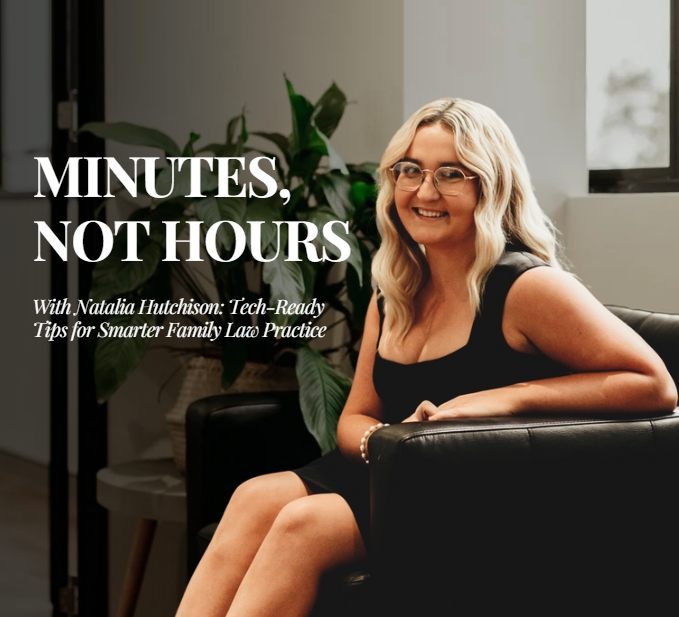
It’s Monday morning. You’ve just gotten the call—your colleague is off with the flu, and you need to step into a court matter at 9:00am. You’re already stressing about getting across a complex file that’s been ongoing for nine months. The pressure is on, and you haven’t even had your morning coffee. Yet within minutes, you’ve summarised the case, located key documents, and drafted an initial court document.
Thanks to emerging AI tools, this isn’t a futuristic dream—it’s already reality in many Australian family law practices. If it’s not happening in yours, you might already be falling behind.

Working with LGBTQIA+ clients in family law requires more than legal expertise—it demands cultural competence and sensitivity.
Many gender or sexuality-diverse clients may feel fearful, anxious, or apprehensive when meeting a lawyer for the first time. They’re often managing your perception of them while also wondering where their family fits in a heteronormative space—or your set of precedents.
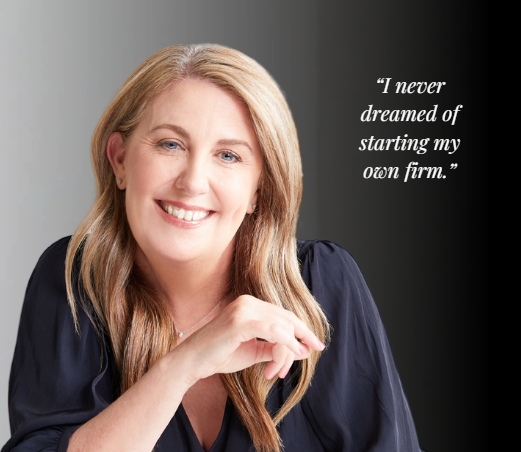
Bron O’Loan’s journey into family law wasn’t a straight line—it was a bold pivot. A former primary school teacher turned IT corporate trainer and university lecturer, Bron came to the legal profession with a rich tapestry of experience—and a vision.

In 2021, amid the pressures of the second COVID-19 lockdown and an overhaul of the Family Law system via the Federal Circuit and Family Court’s new Central Practice Direction, one lawyer was receiving an unusual number of calls. Amanda Little, Managing Director of ALA Law, found herself fielding questions not just from clients, but from fellow practitioners. The profession was overwhelmed managing changes in their day to day lives and practice, lost in the reforms, and asking the same thing: “Are you across this?”
In 2021, amid the pressures of the second COVID-19 lockdown and an overhaul of the Family Law system via the Federal Circuit and Family Court’s new Central Practice Direction, one lawyer was receiving an unusual number of calls. Amanda Little, Managing Director of ALA Law, found herself fielding questions not just from clients, but from fellow practitioners. The profession was overwhelmed managing changes in their day to day lives and practice, lost in the reforms, and asking the same thing: “Are you across this?”
For any employer caught underpaying staff, it can be costly both financially and for the business’ reputation and future.
It’s Monday morning. You’ve just gotten the call—your colleague is off with the flu, and you need to step into a court matter at 9:00am. You’re already stressing about getting across a complex file that’s been ongoing for nine months. The pressure is on, and you haven’t even had your morning coffee. Yet within minutes, you’ve summarised the case, located key documents, and drafted an initial court document.
Thanks to emerging AI tools, this isn’t a futuristic dream—it’s already reality in many Australian family law practices. If it’s not happening in yours, you might already be falling behind.
Working with LGBTQIA+ clients in family law requires more than legal expertise—it demands cultural competence and sensitivity.
Many gender or sexuality-diverse clients may feel fearful, anxious, or apprehensive when meeting a lawyer for the first time. They’re often managing your perception of them while also wondering where their family fits in a heteronormative space—or your set of precedents.
Bron O’Loan’s journey into family law wasn’t a straight line—it was a bold pivot. A former primary school teacher turned IT corporate trainer and university lecturer, Bron came to the legal profession with a rich tapestry of experience—and a vision.
In 2021, amid the pressures of the second COVID-19 lockdown and an overhaul of the Family Law system via the Federal Circuit and Family Court’s new Central Practice Direction, one lawyer was receiving an unusual number of calls. Amanda Little, Managing Director of ALA Law, found herself fielding questions not just from clients, but from fellow practitioners. The profession was overwhelmed managing changes in their day to day lives and practice, lost in the reforms, and asking the same thing: “Are you across this?”
In 2021, amid the pressures of the second COVID-19 lockdown and an overhaul of the Family Law system via the Federal Circuit and Family Court’s new Central Practice Direction, one lawyer was receiving an unusual number of calls. Amanda Little, Managing Director of ALA Law, found herself fielding questions not just from clients, but from fellow practitioners. The profession was overwhelmed managing changes in their day to day lives and practice, lost in the reforms, and asking the same thing: “Are you across this?”