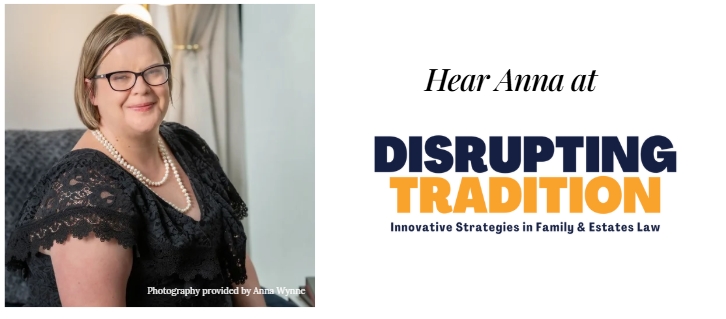


“Anna Wynne is a lawyer, nationally accredited mediator, and registered Family Dispute Resolution Practitioner based in Canberra, working with clients all over Australia. She’s worked in private practice, at a community legal centre, and at the Federal Circuit and Family Court of Australia, before starting her own practice. Anna is passionate about helping families find a better way through conflict—one that’s practical, respectful, and keeps people out of court where possible. She’s also a collaborative coach and loves sharing the benefits of dispute resolution, along with the skills that make it work. Her approach is warm, clear, and always client-focused.”
A Style Shaped by Listening
Asked to describe her mediation style, Anna hesitates to label it, but she’s clear on her guiding principles. Central to her approach is creating space for people to be truly heard. “As lawyers, we tend to focus on the legal issues. But there are always other concerns—emotional, practical, or relational—that matter just as much. Taking the time to listen and acknowledge those is critical.”
She emphasises the importance of respecting party autonomy: mediation, she says, is not about forcing agreement. “Sometimes people aren’t ready. Our role is to provide the opportunity. The outcome belongs to them.” This mindset frees both mediator and participants from the pressure of achieving a settlement at all costs, instead focusing on building trust and clarity.
Common Missteps Lawyers Make
In her thousands of mediations, Anna has observed patterns in how lawyers sometimes miss opportunities to support the process. She identifies two recurring missteps:
1. Minimising concerns: “When a lawyer tells a client, ‘that’s not important,’ it can shut down meaningful dialogue. Even if the issue can’t be resolved in the process, acknowledging it respectfully matters.”
2. Failing to explain the ‘why’: Anna stresses that clients should always understand why steps are taken—whether it’s obtaining valuations or gathering financial records. “If a client sees a request as an accusation, rather than a practical necessity, mistrust quickly builds. Lawyers need to demystify the process for their clients.”
Preparing Clients for the Emotional Journey
Anna insists that intake is key. She spends up to 90 minutes with each party before mediation, asking them why they can’t resolve things on their own. “It’s a powerful way to uncover the dynamics—whether it’s a history of not being able to work together, or a specific breakdown of trust.”
For lawyers, she says, preparation should focus on expectation management. “Mediation is negotiation. It involves compromise. That beautifully drafted position paper? That’s the dream. Dreams rarely happen. Clients need to be ready for that reality before they walk into the room.”

“Mediation isn’t about winning—it’s about helping people move out of fear and into the future.”
Position papers, Anna notes, can either move a mediation forward—or derail it. Her advice: avoid extremes. “If one side insists on 70% of the assets after a short relationship with no children, it just inflames things. Be hopeful, but realistic.”
A well-prepared position paper, grounded in law and evidence, can sometimes resolve the matter before the mediation even begins. “I’ve had lawyers call me and say, ‘we’ll accept the offer on the paper—let’s use mediation just to tidy up the details.’ That’s when the document has done its job.”
Do the Homework
Few things frustrate Anna more than surprises sprung on the day of mediation. “I can’t count the times someone has revealed an inheritance or financial contribution during the session that no one else knew about. That’s information we should have had months earlier. It’s not just about efficiency—it’s about fairness and trust.”
Her advice to practitioners is simple: do the homework early. Gather documents, clarify details, and prepare the client for difficult conversations in advance. “It sets the stage for constructive negotiation, rather than reactive defence.”
Resources
Anna regularly recommends William Ury’s “Getting to Yes”, but she has become especially fond of his later work “Getting to Yes With Yourself”. “Ury himself said he wished he’d written it first. It’s about ensuring you, as the negotiator, are in the right mindset before you can negotiate with others. I recommend it to clients and lawyers alike. It helps people move past emotion and focus on interests.”
Shifts in Mediation Culture
Reflecting on her career, Anna has seen mediation shift from a peripheral tool to the centrepiece of family law dispute resolution. With recent changes in family violence considerations, she expects its importance to only grow. “Court processes now require more detailed examination of allegations. For many, mediation offers a safer, quicker, and more empowering alternative.”
To lawyers new to mediation, Anna offers clear guidance: “Be curious and respectful. Don’t treat the process as adversarial. Think of it as a chance to help your client reach a workable outcome, while learning from the experience yourself. Don’t come in defensive and angry—bring openness.”
The Reward of the Work
Despite the challenges, Anna remains passionate about mediation. What keeps her inspired? “I love helping people move out of fear and into the future. When someone leaves mediation saying, ‘I’m not thrilled, but I have a plan,’ that’s a success. Clarity, even imperfect, is powerful.”
For practitioners, Anna’ message is both practical and profound: mediation is about listening deeply, preparing thoroughly, and guiding clients with realism and respect. The rest is theirs to own.
Top Tips from Mediator Anna Wynne