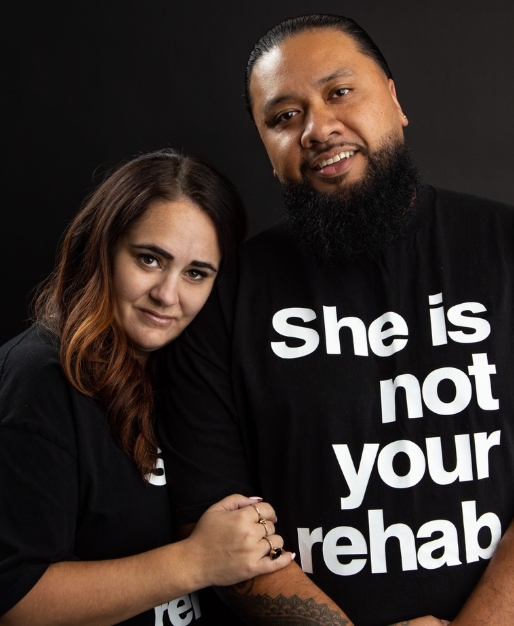
Family violence is one of the most complex and deeply rooted issues facing society today. “She Is Not Your Rehab,” co-founded by Matt and Sarah Brown, has been leading the charge in changing the way we talk about, respond to, and heal from family violence.
In a candid conversation with Sarah, we explore the philosophy behind their work, the ground-breaking Inner Boy app, and why understanding the trauma behind violent behaviour is the key to breaking the cycle.
The Birth of ‘She Is Not Your Rehab’ Sarah explains how the movement started:
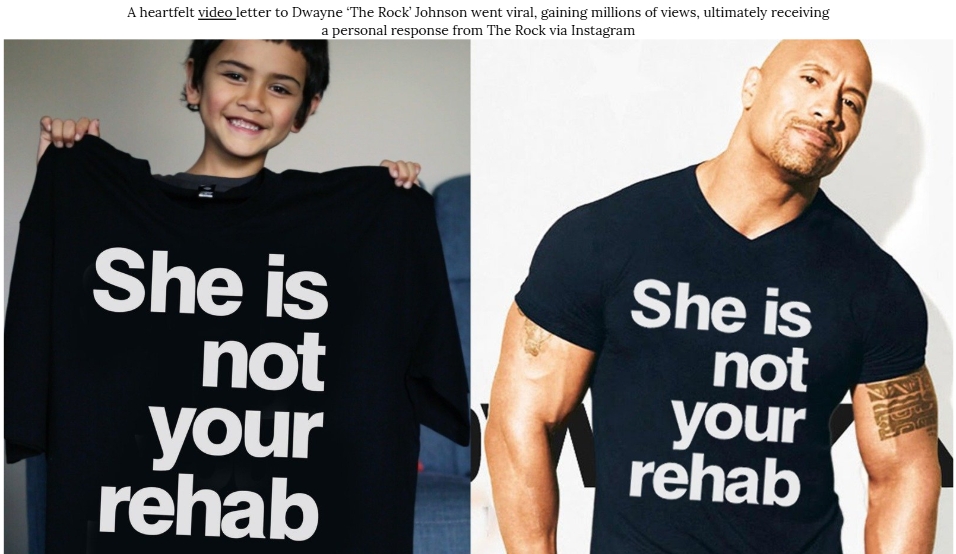
“She Is Not Your Rehab began as a simple message that while your childhood trauma isn’t your fault, your healing is absolutely your responsibility. This has now grown into a global movement that has impacted many since its launch in Matt’s 2019 Ted talk: The Barbershop where men go to heal.
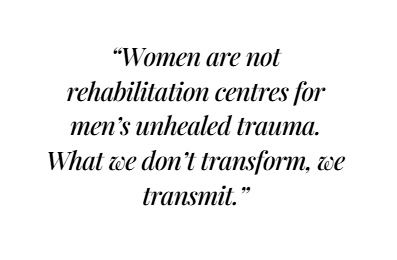
“Founded by my husband Matt and I, rooted in Matt’s lived experience of childhood trauma and family violence; the core message and invitation is that women are not rehabilitation centres for men’s unhealed trauma. It’s about encouraging men to take responsibility for their healing rather than seeking it from their partners or families. What we don’t transform we transmit!”
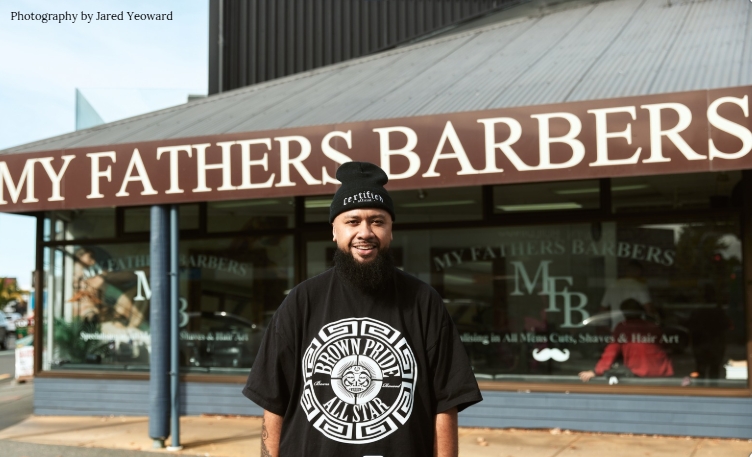
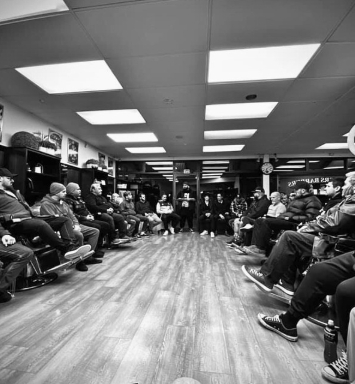
“After realising how many men were struggling, we had the idea to start a weekly group therapy sessions at our barbershop. Everyone told us men wouldn’t come, but on the first night, over 100 of them showed up. We knew we were onto something.”
“I would say 100% of the men we’ve ever worked with extensively have come from their own story of violence, intergenerational trauma and/or abuse. We want to support those people to heal from their past to change their current behaviour, rather than shaming and blaming. That’s going to produce better outcomes for the children involved.”
“It started with the many conversations had in our barbershop, where men naturally open up, and it has evolved into a worldwide movement that challenges harmful cycles of violence and creates spaces and tools where healing is possible.”
Creating Safe Spaces for Men to Heal Sarah reflects on the importance of providing spaces where men feel safe enough to engage with their emotions:
“Healing always requires safe spaces. Places where men can talk without shame but where accountability is modelled and actioned. The barbershop model we began with was incredibly effective because it’s a place of trust, familiarity, and realness. We need more spaces like this everywhere.”
“Storytelling is another crucial tool. When people hear someone else’s story, especially one that resonates with their own, it gives permission to reflect and change.”
“We’ve never had trouble getting men to engage in our programs, including through the prison system in New Zealand and Australia. We insist that it’s voluntary—not court-mandated. Every time, the room is packed – people are engaged, respectful and impacted by what Matt has to say. We’ve had men lining up to hug Matt afterward. That’s the power of connection and understanding.”
The Inner Boy App – Supporting Men Through Their Healing Journey
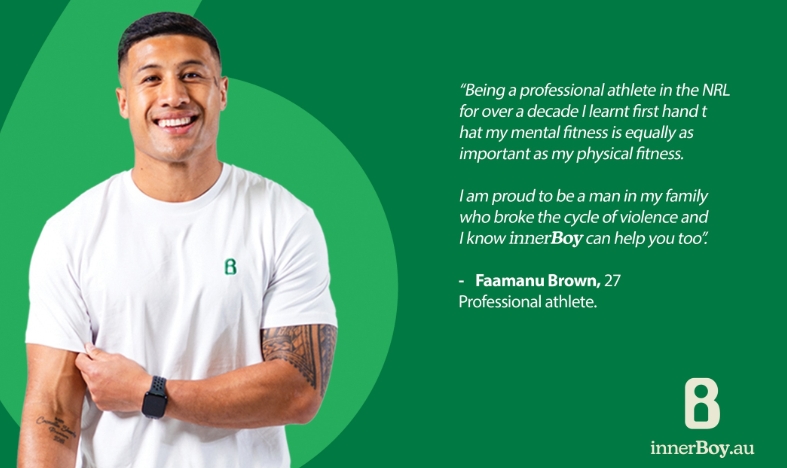
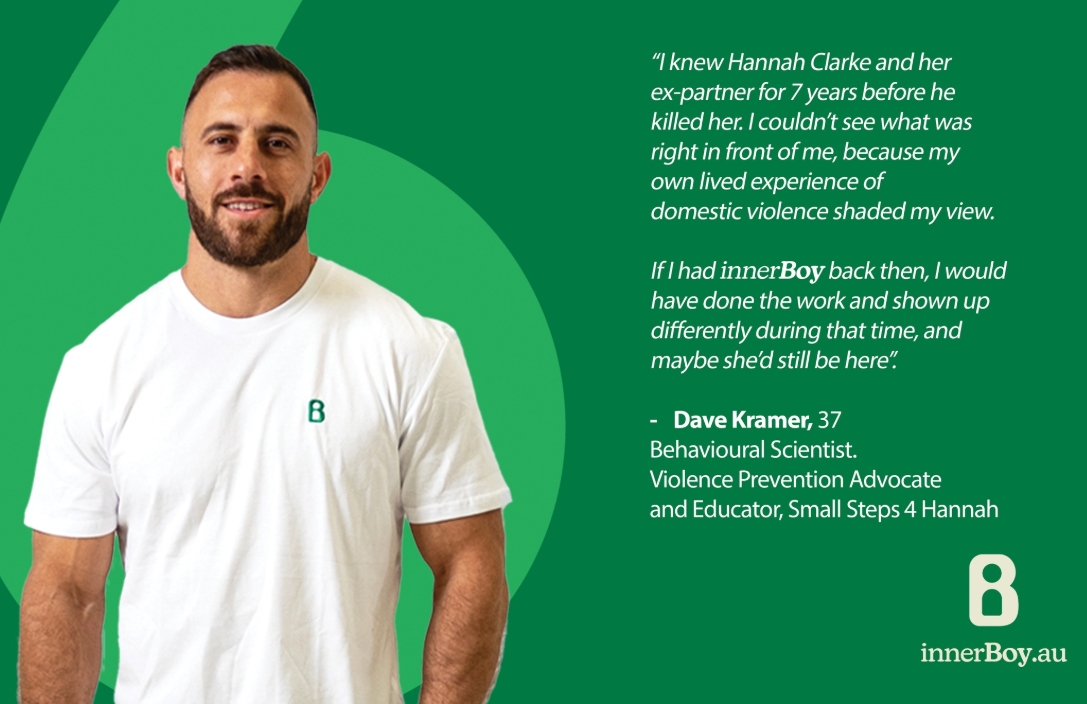
A key part of their recent work has been the development of the Inner Boy app, which provides daily support and guidance for men navigating the impact of intergenerational trauma.
“We launched Inner Boy in New Zealand and Australia after seeing the demand for it. A private philanthropist funded the first year in Australia, but it’s not yet government-supported. Our goal is to make it sustainably funded so it can keep evolving and supporting more people.”
“Its primary purpose is to support men who are victims of intergenerational trauma and violence. It’s aimed at getting them to explore their inner world, helping them understand the correlation between their own childhood and their current behaviour. Some have perpetrated violence, others might be at risk of doing so. We’re very clear that when you work in a trauma informed way, it’s about understanding people’s backstory.”
“The app is designed to give men language and tools to work through their trauma. It’s a 30-day program that they do their own pace. A lot of men struggle with emotional literacy or articulating their feelings, so we kept the language simple and direct. The feedback has been amazing. Men say it feels like Matt is walking with them, and that’s the kind of support they’ve never had before.”
“Within the first hour of launching the app, we had 36,000 requests. When you put things out there in a way that resonates and you’re mindful of your messaging and the way you communicate that, we really believe that more people want help, than not. A lot of men don’t want to continue on these patterns of behaviour and cycles for their own children, but they just don’t know a different way. They’ve never had healthy masculinity modelled to them.”
“We know that if men can understand why they behave the way they do—if they can connect the dots between their childhood experiences and their adult reactions—they can start to change.”


Why Shame Doesn’t Work
A central pillar of the movement is the understanding that shame is not an effective tool for changing behaviour:
“We tell men to reach out for help—but then there’s nothing for them to reach out to. If they aren’t court-mandated, the support options are incredibly limited. And when they do reach out, they’re often met with judgment rather than understanding.”
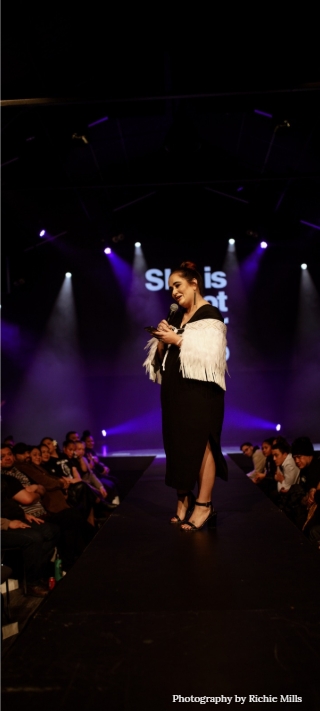
“We continue to hear the call for men to stop beating women – and they absolutely should, But what have we done to set them up for success? For us, it’s about time that we as a society, as a community, as a country, and as a global population do something differently. If we’ve got a big problem like domestic violence and we’re not getting good results with what we’re doing, let’s think about how else we can approach the problem. Our work is very trauma informed. It’s understanding that while your childhood trauma wasn’t your fault, your healing now is your responsibility, but healing is best done in the conditions of empathy.”
“If you treat someone like a perpetrator, that’s all they’ll ever be. You need to treat them like a human being first. Matt’s story resonates with men because it’s real. He grew up in poverty, his father was in and out of prison for family violence, and no one ever stepped in to help. So, of course, he understands why these cycles keep repeating.”
“Our Whakataukī (proverb) is ‘Speak to the sacred in him, until the sacred in him remembers’. The sacred in you is that you are a human being, deserving of the same love, belonging, empathy and care that everyone else wants and deserves. We have found if we approach men in this way, very seldom do the remain in the place that they were – energy matches energy.”
“Shaming people doesn’t work. Understanding them does.”
Our Whakataukī is: “Speak to the sacred in him, until the sacred in him remembers”
Empathy as a Tool for Change Sarah stresses that the goal is not to excuse violent behaviour but to create conditions where real change is possible:
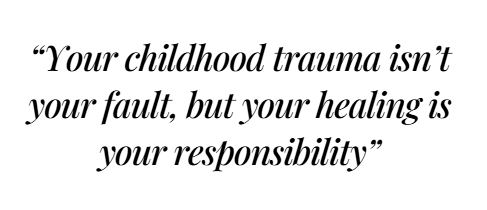
“Your childhood trauma isn’t your fault—but your healing is your responsibility. And healing happens best in the context of empathy, not shame.”
“We’ve had people ask us – why do you want to work with those that perpetrate violence? They’re probably narcissists and the ‘worst of the worst’. My response is – but they’re still somebody’s dad, somebody’s son, brother, a person in the community. How we work with them impacts those children and those families – so either we help them, or we don’t but if we choose not to, those children and families suffer. No one is born in isolation, and no one is born evil. If we only had a handful of people in the world who behaved violently, we might put that down to them as individuals; but given the massive numbers that we do have of domestic violence, it reflects on us as a society, rather than just the individuals involved.
We believe this problem is endemic because we have too many people silently suffering.”
“Our work, our book, our app, anything we do, is always about how to invite men into the conversation and how to encourage them down a path of healing, how to make them more aware of themselves internally. We keep expecting people are going to have empathy towards their partner, understanding and emotion. But if you’ve never seen it, you’ve never had it modelled to you, and you’re not taught it at school, then we’re asking a lot of people that haven’t really been given a lot themselves.”
“We’ve had men tell us they’ve never heard a man say ‘I love you’ or ‘I’m proud of you.’ That’s why this work matters.”
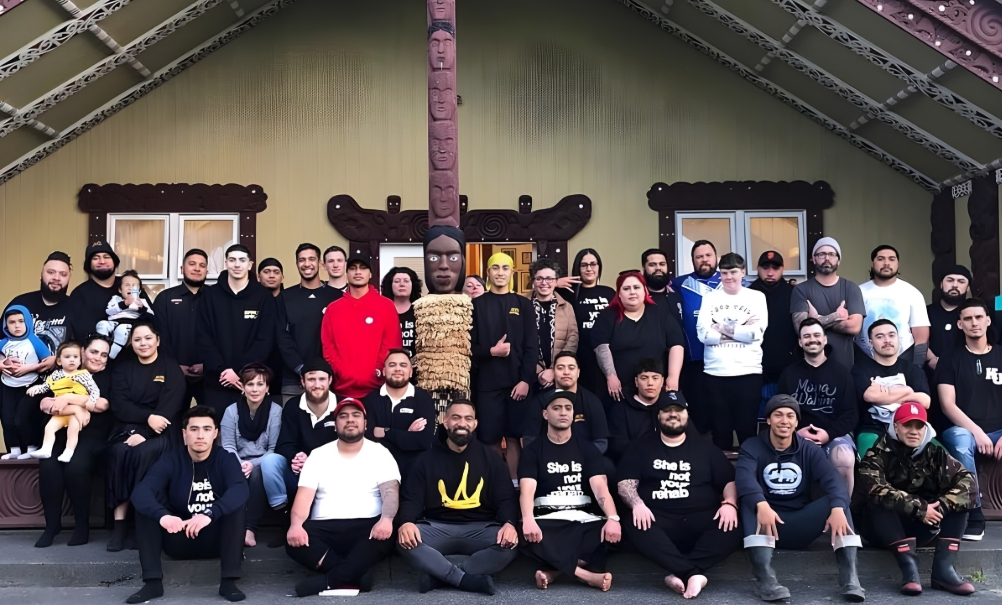
Expanding the Conversation
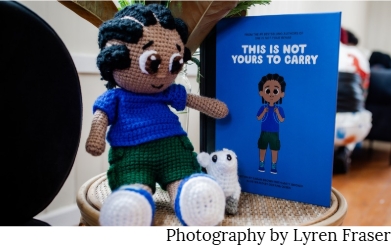
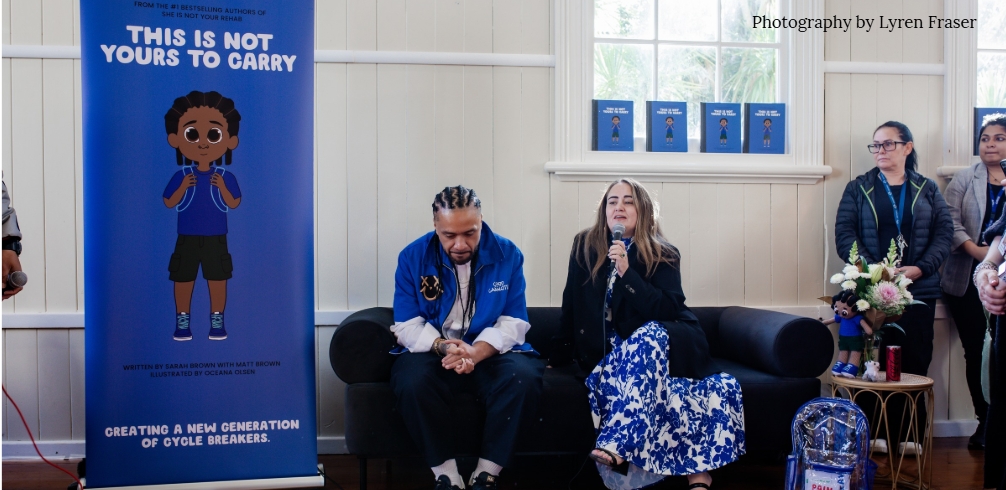
Sarah and Matt are also working to broaden the conversation about family violence and healing. They recently published a children’s book called ‘This Is Not Yours to Carry,’ aimed at helping children living in violent homes understand that they their circumstances are not their responsibility to fix or resolve.
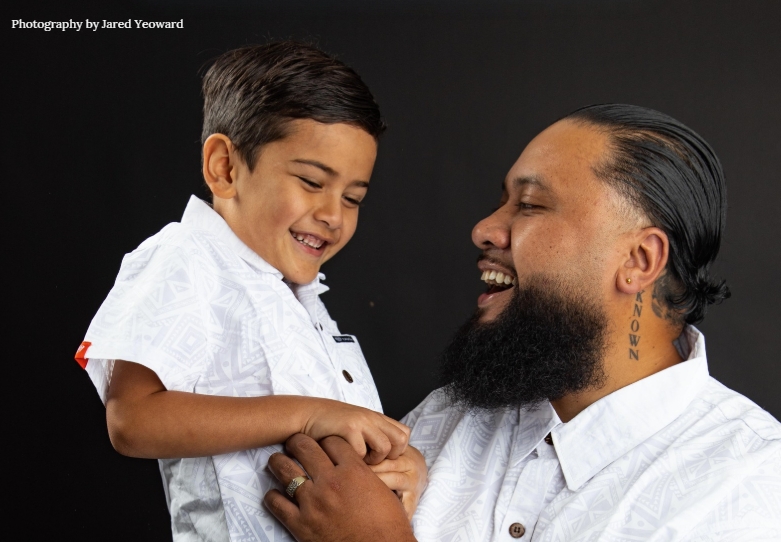
“My husband Matt was often in and out of Women’s refuges as a child with his mum and siblings. I asked him, “what’s something you wish someone had said to you during that time?” He told me, without batting an eyelid, “I wish someone had told me that this just wasn’t mine to carry.” Because kids suffering take all of these experiences on board and carry them around into adulthood with thoughts like, ‘what can I do to make dad better? What can I do to make Mum happy? Or how can I make home better?’. It’s not a child’s job to do any of that. Matt was never de-briefed by anyone over his childhood and through these refuges because there simply weren’t the resources for that. This is what we hope to achieve with the book.”
“Unfortunately for some kids, their circumstances may not change. Even if they are in the Oranga Tamariki (New Zealand Ministry for Children) system, they might be back and forth with parents that don’t do the work.
We want to be able to plant seeds of encouragement into these kids’ lives because we can’t go around taking kids out of every home that isn’t safe. We’ve got to find ways to get a message of hope to them, to encourage them to break that cycle.”
“In the book we’ve got a glossary of new terms to try and encourage emotional literacy. We can’t underestimate the power of words; the right insight at the right time.”
“We want to be able to gift these books to schools and refuges across New Zealand and Australia so that they have something to give the precious children who absolutely need that message given to them. We have set the goal of reaching 100,000 children. We’ve self-funded the first 10,000 books, but the demand is already huge. We’re looking for partners to help fund the next print run so that we can get this message into the hands of the children who need it most.”
“In 2025, we’ll release a book for women entitled I Am Not Your Rehab. These books will further expand the conversation, hopefully bringing healing and awareness to even more people.”
Kids take on what’s not theirs — trying to fix the adults, trying to make home better. But it’s not their job to carry that weight. This book is there to tell them: This Is Not Yours To Carry.
A Call to Action for Lawyers Sarah closes with a powerful message for family lawyers:
“Trauma is present in almost every family law case. The person sitting across from you isn’t just angry or difficult—they’ve likely been through profound pain. If you can approach them with empathy rather than judgment, you can change the outcome of that case—and maybe their life.”
“Being trauma-informed doesn’t necessarily require specialised training. It’s about recognising how past experiences shape present actions. It’s understanding that there’s always a story behind someone – we can be trauma informed lawyers, trauma informed therapists, trauma informed teachers, trauma informed sports coaches. If someone is not presenting brilliantly, there’s probably a reason for it. Offer some understanding and empathy. Lawyers can play a powerful role in making people feel heard, validated, and supported, rather than just another case in the system.”
“The legal profession has a unique platform to influence both policy and public attitudes. One way to drive change is to push for more holistic interventions—legal outcomes that prioritise not just punishment but also rehabilitation, support services, and long-term solutions.”
“Read our book! We have many members of the Judiciary who have told us our book has given them a better understanding of family violence.”
The work of “She Is Not Your Rehab” challenges us to rethink how we approach family violence. By shifting from shame to empathy, and providing practical tools for healing, Sarah and Matt are helping men rewrite their stories. And in doing so, they’re not just changing individual lives—they’re reshaping the future for the next generation.
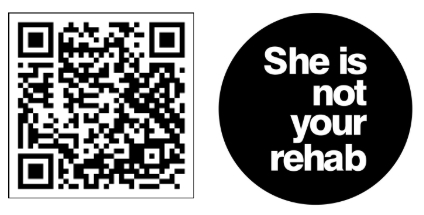
If you, your firm, or anyone you know feel driven to contribute to the print and donation to refuges and schools of the children’s book “This is Not Yours to Carry”, please scan the QR code.